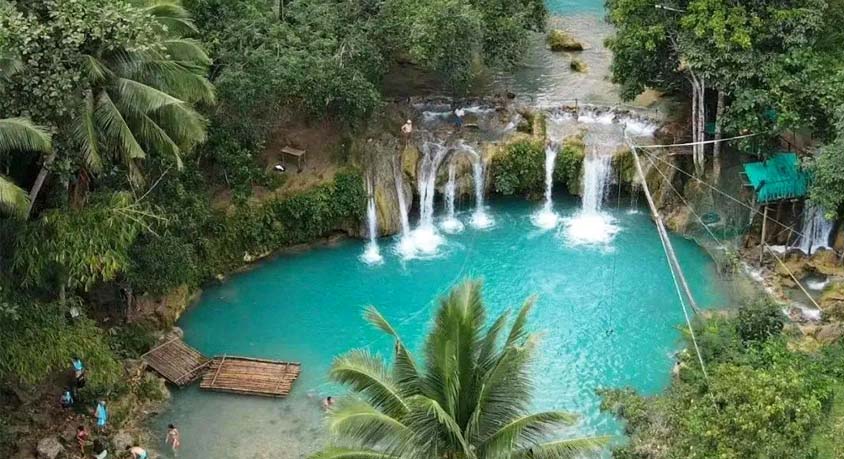
I leaned against a weathered wooden railing along a riverside path in Virginia’s Shenandoah countryside, breathing in crisp pine air while sunlight filtered through tall tree canopies. The only sounds came from flowing water and distant bird calls, no honking traffic or bustling tourist crowds to break the peace. It made me realize most travelers rush between big coastal cities and crowded national parks, completely overlooking small American towns that hold far more raw, unfiltered charm.
We detoured off the busy highway and wandered down quiet residential streets in a tiny mountain town tucked inside the Blue Ridge range, immediately noticing how drastically daily costs drop compared to mainstream tourist hubs. Local diners serve hearty homemade breakfasts for barely a fraction of city prices, and family-run inns offer cozy overnight stays without the inflated weekend rates found near popular landmark zones. Even casual roadside snack stops charge regular local prices, with no hidden markups targeted at out-of-town visitors.
One vastly underrated spot we chanced upon is a quiet lakeside trail in upstate New York, tucked away from the busy tourist corridors of Niagara Falls. The entire path winds through dense woodland and opens up to wide still waters, free for anyone to walk and almost never packed with visitors. We paused on smooth flat rocks beside the lake, watching dragonflies drift above the surface and listening to leaves rustle in the gentle breeze. There were no paid entry fees, no commercial vendors pushing souvenirs, just simple natural calm that felt deeply refreshing.
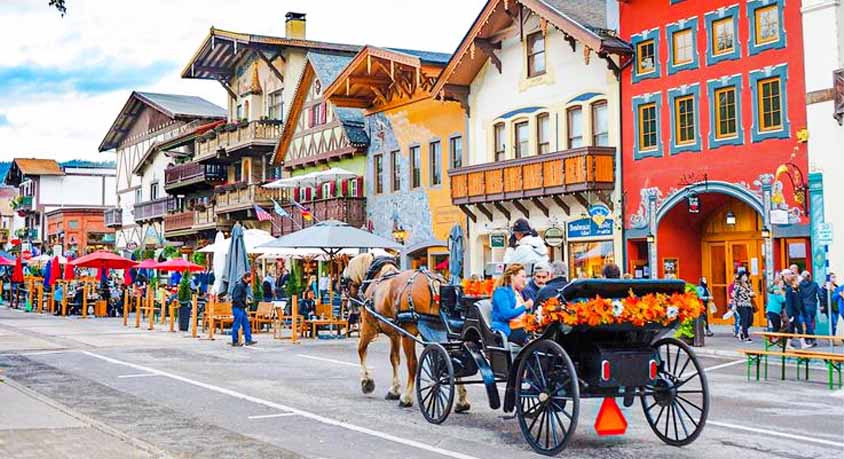
We also stopped by a historic mill village hidden deep in North Carolina’s countryside, preserved exactly as it stood over a century ago. Old stone buildings, quiet walking trails, and a slow-moving creek run straight through the heart of the village, and roaming around the grounds costs nothing at all. Local elders sat on porch benches sharing stories, and we joined them for a casual chat, learning small town history you will never find in standard travel guides. The whole place feels untouched by modern tourism trends, keeping its quiet original atmosphere intact.
Late spring across these inland rural areas brings warm soft days and cool breezy evenings, though morning hours carry light lingering mist that hangs over valleys and lakes. We took our time starting outdoor walks after the mist lifted, packing light layers to slip on once the wind picked up as dusk rolled in. Many travelers avoid smaller towns this time of year waiting for hotter summer weather, yet the mild temperatures and blooming wildflowers make late spring the perfect window to explore without heavy crowds or sweltering heat.
Another overlooked delight is browsing local farmers markets in these small American towns, far removed from the overpriced craft markets in major tourist districts. Vendors sell fresh seasonal fruits, homemade baked goods, and handcrafted trinkets at fair everyday prices, and every stall feels genuine rather than tailored for visitor spending. We picked up fresh berries and warm pastries to take along on our next trail walk, tasting pure local flavors that chain restaurants in big cities can never replicate.
The most rewarding US travel moments rarely happen inside crowded iconic sites. Wandering quiet small towns, following hidden nature trails, and embracing slow local rhythm lets you skip tourist traps, save money, and feel the real spirit of the country far beyond mainstream travel stereotypes.