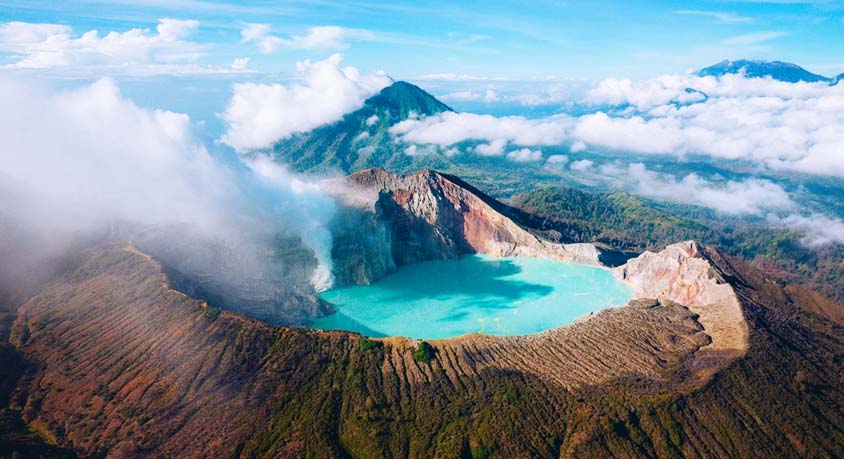
Three AM on the edge of Ijen’s crater, my buddy Mike was gagging on sulfur smoke while a local miner passed us carrying 80 kilos of yellow rock on his shoulders. My eyes streamed tears that weren’t sad, just chemical-burn salty. And the famous “blue fire” we’d flown across Java to see? It looked like a sad gas stove left on overnight. That’s when I realized every Instagram post about this place is a beautifully crafted lie – but also the beginning of a way better, cheaper truth.
Pulling up to the Ijen parking lot at 2 AM, our driver from Banyuwangi pointed at a swarm of tourists clutching neon-yellow gas masks they’d rented for 100k IDR (about $6.50). Mike almost paid it until I grabbed his arm – two days earlier, a local warung owner had sold us the exact same masks for 35k each, plus a laugh and a free coffee. The tour companies also charge 700k per person for “VIP gas mask + guide + coffee plantation.” We did it ourselves: public minivan from Banyuwangi terminal (30k), shared jeep with four backpackers from our hostel (50k each), and entry fee that’s 150k for foreigners versus 15k for locals. The guy at the ticket booth didn’t even blink when we handed him the foreigner price – but the Indonesian family behind us paid a tenth. That’s not a complaint; it’s just the math of showing up without a middleman.
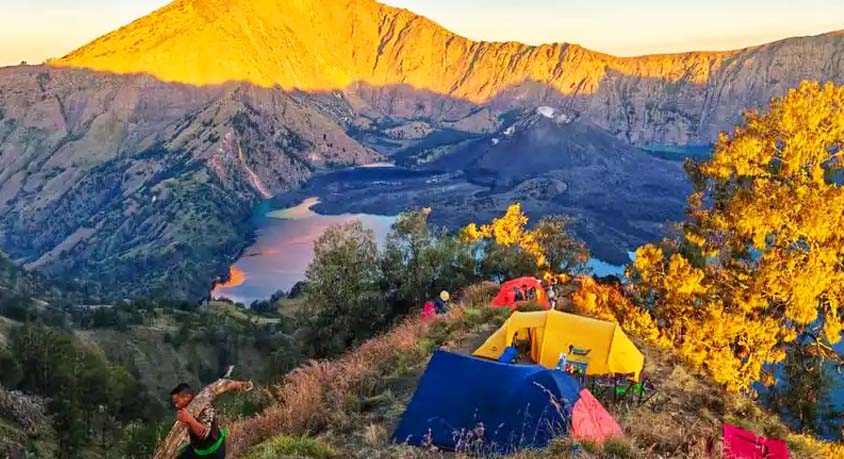
The blue fire itself is a reality check. You see photos of electric lava-looking waves, but actual Ijen gives you a few flickering flames near the crater lake that appear only when the wind blows the smoke away for three seconds. A French tourist next to us kept yelling “C’est ça??” while her guide shrugged. What nobody tells you is the real show happens at dawn, when the miners start their first haul down. We sat on a rocky outcrop away from the main viewing spot (just follow the unofficial path left of the ranger hut) and watched these guys in flip-flops carry sulfuric rock up a 45-degree slope. One of them, a guy named Pak Didin, stopped to share his cigarette and told us he makes about $12 per trip. He does three trips a day. That’s not a tourist attraction – it’s just a hard Monday for him.
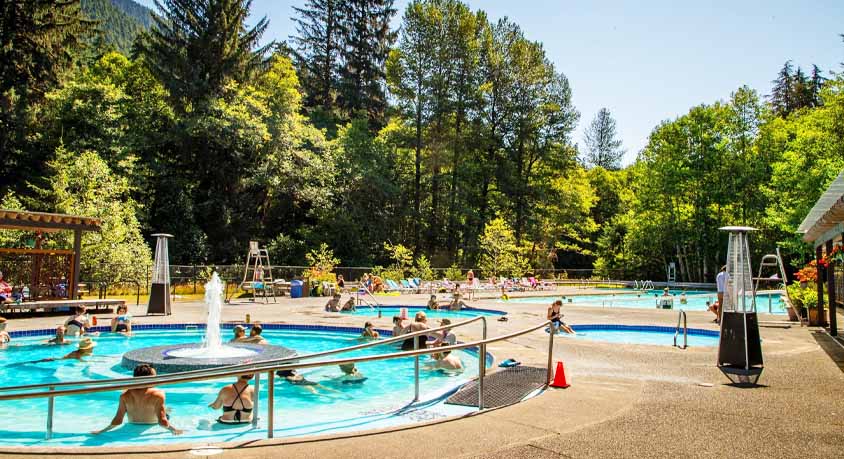
Here’s the Ijen hack nobody posts: skip the crater if the wind is blowing south (ask the rangers – they’ll tell you for free). Instead, walk fifteen minutes back down the trail toward the Paltuding post, then take the unmarked fork to the left. It leads to a series of small hot spring streams locals call “air panas kampung.” No signs, no fees, just a few bamboo pipes channeling warm sulfur water into natural rock pools. A group of Indonesian college students were there at 7 AM, cooking instant noodles in the hotter end of the stream. Mike and I soaked our legs for an hour, and an old farmer gave us some mangosteens because we helped him fix a broken pipe. Cost: zero. Memory: better than the fire.
For food, avoid the “restaurant” at the Ijen base camp – they charge 50k for fried rice that tastes like camping stove grease. Drive or hitchhike back to Licin village (twenty minutes downhill) and find a tempat makan called Warung Bu Siti. It’s a tin-roof shack with plastic stools, but for 25k you get a plate of nasi pecel (veggies with peanut sauce), fried tempeh, and a boiled egg. The owner’s daughter speaks a little English and will teach you how to say “pedas banget” when the sambal destroys your throat. We ate there three times. Also, the coffee at Kaliploso plantation – a five-minute motorbike ride from Licin – is free to taste, and they sell a kilo of ground robusta for 80k. That’s airport-gift-shop robbery territory, but the plantation is legit: you can watch them sun-dry beans on tarps.
Now the brutal truth about timing. Ijen closes the blue fire viewing during heavy rain, which happens often from November to March. We went in February and got lucky with one clear night, but the trail turned into a mud slide on the way down – I slipped and lost my left sandal in a puddle that smelled like farts. The rangers closed the crater access the next morning because of high wind. So if you’re planning this, give yourself three nights in Banyuwangi, not two. Use the backup day to visit Jagir Waterfall (free, locals-only spot, twenty minutes from town) or take a bus to Red Island beach – the waves are solid, and a coconut with a straw costs 10k instead of 50k like in Bali. We did both. Neither required a mask, a guide, or a false promise of electric-blue magic.
At the end of it all, Ijen didn’t give me the photo I wanted. But it gave me a miner’s half-smile, a bowl of noodles in a hot spring, and a receipt showing we spent $47 each for two days of transport, food, and entry. The blue fire? Overhyped. The real trip? A better deal than any influencer’s caption.